
SOUTH END
Charlotte's most walkable neighborhood — former mills now hold rooftop bars, gallery walls, and chef-driven kitchens.
The Neighborhood Guide
LIVING IN SOUTH END
South End is the neighborhood Charlotte points to when it wants to show off. Former mill buildings hold chef-driven kitchens, rooftop bars, and design studios, all stitched together by the Rail Trail — a paved, mural-lined path that runs the length of the district beside the light rail. It is dense, social, and energetic, with foot traffic that does not quit on weeknights. Ask anyone who spends real time here and you will hear the same thing: South End is not a neighborhood you drift through — it is one you settle into.
Residents here are mostly young professionals and couples who want to live where the action is: apartment towers and converted lofts filled with people who walk to dinner, run the trail before work, and treat brewery patios as living rooms. Remote workers love the coffee density. It is less common to see families with school-age kids, mostly because detached housing inventory is limited relative to apartments. That resident mix is what gives the area its texture, and it is worth thinking honestly about whether your routine fits it.
Walkability is South End's superpower and the reason people pay a premium to live here. The Rail Trail plus the light rail spine mean groceries, gyms, breweries, and offices can all be reached on foot. Errands cluster along South Boulevard and the trail corridor. Residents who work Uptown often skip driving entirely — the Blue Line runs straight into the center city, which keeps cars parked on weekdays. Walkability is the single biggest quality-of-life factor for most Charlotte transplants, so weigh it before you commit.
The commute math is the neighborhood's best amenity: the LYNX Blue Line runs through the heart of South End directly to Uptown, so many residents commute by rail instead of by car. Drivers reach I-277 and the center city quickly, and I-77 is close for trips to the airport or points south. South Boulevard itself slows at rush hour, but the transit alternative is the whole reason many people move here. Between the commute picture and everything above, the honest summary is this: South End works best for people who want young professionals and rail trail runners — and knows it.
Real Estate
WHAT HOMES LOOK LIKE HERE
Housing Stock
South End offers a blend of apartments, townhomes, and single-family houses, with the exact mix varying street by street. Inventory shifts faster in the walkable pockets near the commercial corridors than in the quieter residential blocks.
Price Framing
Like most of Charlotte's in-demand areas, prices in South End have trended upward as the city grows — and homes closest to the walkable corridors and green space carry a premium. What you pay depends heavily on finish level and location within the neighborhood. Check current listings for real numbers rather than rules of thumb.
Renting vs. Buying
Renting is a common first step into South End, especially for newcomers testing the commute and the daily rhythm before committing. Buyers should expect competition for well-located homes when they hit the market. A local agent who works the neighborhood is worth the find.
Who Fits Here
BEST FOR
Explore More
FOOD & THINGS TO DO NEARBY
Best Restaurants in South End →
Where to eat in and around South End — from craft brewery staples to the neighborhood spots locals actually keep to themselves.
Things To Do in South End →
Experiences and activities in and near South End — art & culture, rail trail, and ways to see the neighborhood like a local.
Events in South End →
What's happening around South End and the rest of Charlotte — festivals, live music, sports, and the local events worth planning a week around.
Coffee in South End →
The best coffee shops in South End — where to work remotely, meet a friend, or grab a quality cup before exploring the neighborhood.
Need To Know
SOUTH END FAQ
Are there South End Charlotte homes for sale?
Yes — South End has an active residential market. South End is the neighborhood Charlotte points to when it wants to show off. Former mill buildings hold chef-driven kitchens, rooftop bars, and design studios, all stitched together by the Rail Trail — a paved, mural-lined path that runs the length of the district beside the light rail. Housing availability changes quickly, so the best approach is to watch current listings directly or work with a local agent who knows the neighborhood's specific streets and sub-areas.
What is living in South End like?
Residents here are mostly young professionals and couples who want to live where the action is: apartment towers and converted lofts filled with people who walk to dinner, run the trail before work, and treat brewery patios as living rooms. Remote workers love the coffee density. It is less common to see families with school-age kids, mostly because detached housing inventory is limited relative to apartments. Day to day, the neighborhood runs on a creative and walkable rhythm — walkable pockets, local restaurants and gathering spots, and a residential base that gives it a real identity rather than a pass-through feel.
Which part of South End should first-time visitors explore?
Start near Art & Culture and Rail Trail. That area best reflects South End's creative and walkable character and makes an easy introduction to the neighborhood.
What makes South End different from nearby Charlotte neighborhoods?
South End stands out for creative, walkable, trendy energy, with craft brewery and rooftop bars and art & culture and rail trail shaping the everyday experience.
What is there to do in South End?
South End leans into art & culture, rail trail, gallery crawls, plus a food and drink scene anchored by craft brewery, rooftop bars, fusion. Between local events, green space, and the neighborhood's own dining strip, there is enough to fill most weekends without leaving the area.
What is the Rail Trail in South End?
The Rail Trail is a paved, mural-lined path that runs the length of the district beside the light rail, stitching together breweries, coffee shops, and restaurants. Residents run the trail before work and treat it as the neighborhood's front porch — it is the spine of daily life here.
Can you commute from South End to Uptown without driving?
Yes, and many residents do. The LYNX Blue Line runs through the heart of South End directly to Uptown, so cars stay parked on weekdays. South Boulevard slows at rush hour, but the transit alternative is the whole reason many people move here.
What are South End's historic landmarks?
Atherton Mill, the former mill complex, anchors the district's origins, and former mill buildings throughout South End now hold chef-driven kitchens, rooftop bars, and design studios. The Design Center district adds showrooms and creative studios to the mix.
Is South End good for renters?
South End is one of Charlotte's strongest rental markets — apartment towers and converted lofts fill former mill buildings around the Atherton Mill area and the South Boulevard corridor. Detached housing inventory is limited relative to apartments, which is why the neighborhood skews young professional.
Keep Exploring
COMPARE NEARBY NEIGHBORHOODS
Uptown →
The skyline, the stadiums, the culture, the nightlife — it all converges where Trade meets Tryon.
Lower South End →
LoSo is emerging fast — breweries, food halls, and a creative scene building its own identity south of South End.
Midtown →
The connector — where Uptown's energy meets residential calm, and eclectic dining fuels the mix.
OWN OR SELL REAL ESTATE IN SOUTH END?
Own or sell real estate in South End? Become our Neighborhood Sponsor and get your business featured in front of everyone exploring this guide.
Become a Neighborhood Sponsor ↗Explore South End
SOUTH END IS WHERE THE CITY'S CREATIVE CLASS LIVES, WALKS, AND STAYS OUT LATE
South End moves differently. The streets hum with foot traffic even on weekday nights, and the Rail Trail is always lit with murals, movement, and people who actually want to be outside. It is the kind of neighborhood where a Tuesday feels like a Friday if you know where to walk.
You are here to be seen and to see things worth looking at. Gallery crawls, rooftop hangs, converted mill buildings that somehow feel both historic and ahead of schedule. The Design District pulls you in with boutique shops and chef-driven concepts packed into industrial bones.
This is NexLvl territory. Not because it is trendy — because it earned it. The energy here is consistent, the taste level is high, and the access to everything else in the city starts right at your doorstep.
Things To Do
Top activities and experiences waiting for you in South End.
- Art & Culture
- Rail Trail
- Gallery Crawls
- Rooftop Entertainment
- Shopping & Boutiques
- Yoga & Wellness
Eat & Drink
The best restaurants, bars, and local bites in South End.
- Craft Brewery
- Rooftop Bars
- Fusion
- Chef-Driven
- Coffee & Café
- Cocktail Bars
Transit & Mobility
RIDE THE BLUE LINE
South End sits directly on the LYNX Blue Line — Charlotte's light rail spine connecting you to Uptown, the airport corridor, and everything in between. No parking drama. No Uber surge. Just hop on and move.
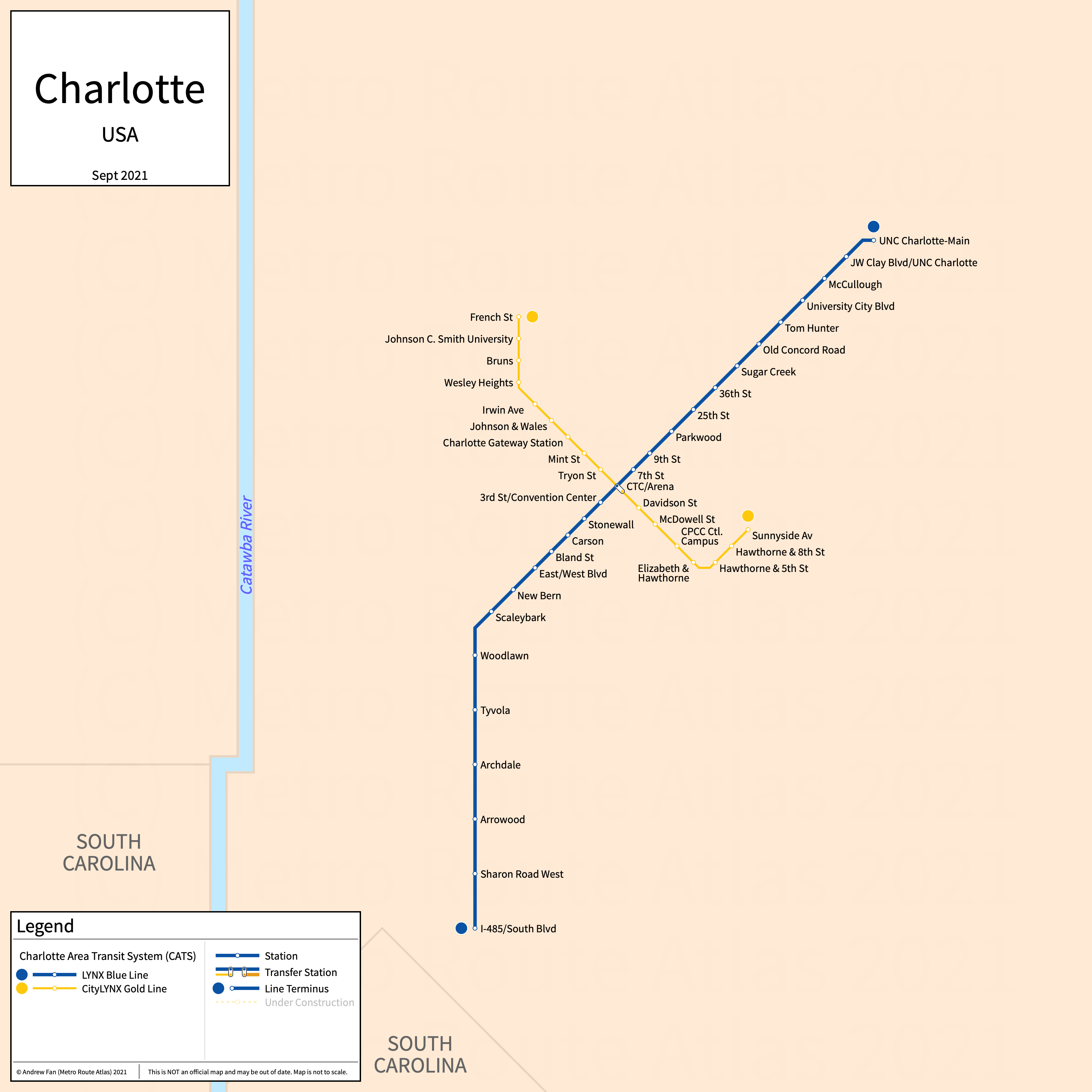
18.6 mi
Existing Blue Line
Uptown → I-485/South Blvd
5 min
To Uptown
From South End Station
2 mi
Proposed Extension
East/West Blvd expansion
4 Lines
Total CATS Network
Blue · Gold · Red · Silver
Why it matters for South End
The Blue Line runs straight through the heart of South End — you can walk to a station in under 10 minutes from almost anywhere in the neighborhood.
Catch a Panthers game Uptown, eat dinner in NoDa, or hit the airport — all without touching your car keys.
A proposed East/West Blvd extension puts even more of South End on the map, boosting walkability scores and property values neighborhood-wide.
The Gold Line streetcar and expanding Silver Line mean Charlotte's transit grid is growing fast — and South End is already at the center of it.
Live
LIFE IN SOUTH END
South End is where the city's creative class lives, walks, and stays out late — all stitched together by the Rail Trail running straight into the heart of downtown.
Back to Home ↗
Keep Exploring
MORE NEIGHBORHOODS
 UPTOWN
Uptown is where the city turns up. From rooftop bars lining the skyline to stadium lights cutting through the night, this is the center of it all. Polished, electric, and always in motion.
 LOWER SOUTH END
Lower South End (LoSo) is the city's next chapter. What began as industrial corridor is transforming into a destination in its own right — breweries, food markets, and creative tenants staking their claim early.
 MIDTOWN
Midtown sits at the crossroads of Charlotte's energy, bridging the density of Uptown with the livability of its residential neighborhoods. A mix of emerging restaurants, creative offices, and green space.
Tell Us How You Feel
Share your experience with South End
Ready to take the next step? We'll connect you with the right people in Charlotte.
Get Connected — Free